Opposition unity faces test as Nyoro, Karua and Matiang’i push for common ground
Kenya’s opposition leaders are facing a major test as they attempt to put aside personal political ambitions and build a common front ahead of the 2027 General Election.
While several leaders have publicly promised to work together, recent disagreements over leadership, political influence and the choice of a presidential candidate have raised questions about how far their unity can go.
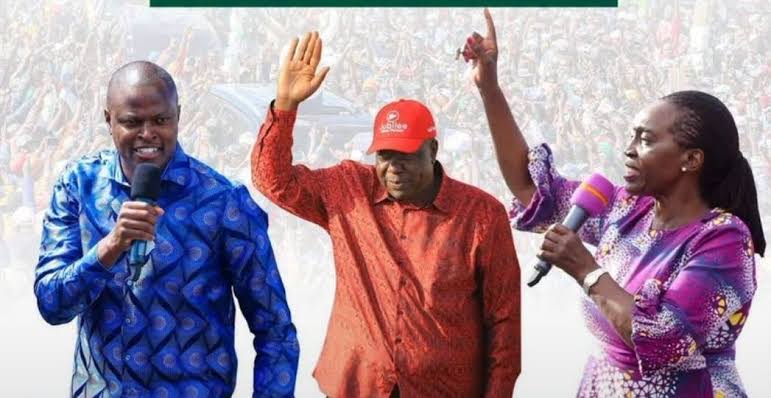
The latest efforts have brought Kiharu MP Ndindi Nyoro, former Justice Minister Martha Karua and former Interior Cabinet Secretary Fred Matiang’i into closer political cooperation.
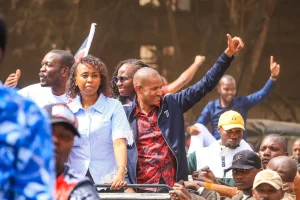
On November 5, 2026, the three leaders appeared together during a political meeting in Limuru, Kiambu County, where they called for mutual respect and warned against political entitlement within the opposition.
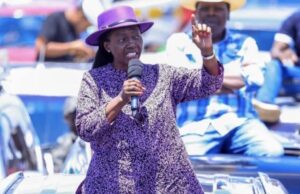
Karua said leaders could not achieve unity if some considered themselves more important than others. She urged the opposition to accommodate different political interests instead of pushing certain leaders aside.
Matiang’i also maintained that opposition leaders would eventually negotiate and agree on a common political arrangement. He said their shared agenda should address issues such as healthcare, education and security.
Nyoro, who leads the People’s Party of Kenya (PPK), echoed the calls, saying the opposition should seek support from all parts of the country rather than depend on individual political strongholds.
The meeting came amid growing disagreements involving opposition leaders, particularly over who should influence the formation of a united political movement.
Matiang’i and Orengo take up new roles
The opposition unity efforts have also taken a new direction following changes within the Ukombozi Alliance, formerly known as the Azimio la Umoja coalition.
On November 5, Wiper leader Kalonzo Musyoka appointed Matiang’i and Siaya Governor James Orengo as co-chairs of the Ukombozi Alliance Council.
The appointments were announced as Kalonzo began a political tour of Migori and Homa Bay counties.
Kalonzo said the two leaders had the experience needed to help strengthen the opposition and bring different political groups together.
Matiang’i previously served in several Cabinet positions under former President Uhuru Kenyatta, including Education and Interior. Orengo, a Senior Counsel, has a long history in Kenya’s opposition politics and constitutional reform movements.
Kalonzo said the appointments were part of efforts to build a broader political alliance ahead of the 2027 elections.
Nyoro’s political shift adds another dimension
Nyoro’s involvement in the opposition has also changed the political landscape.
In August 2026, the Kiharu MP announced that he had left the ruling United Democratic Alliance (UDA) and joined the People’s Party of Kenya.
He said his decision followed months of consultations with several political leaders, including Matiang’i, Karua, Kalonzo and Orengo.
Since then, Nyoro has repeatedly called on opposition leaders to work together, arguing that their differences should not stand in the way of a common political goal.
His cooperation with Matiang’i and Karua has been visible in several public meetings, including their October 21 gathering in Njoro, Nakuru County, where they called for a united opposition and a single presidential candidate.
The challenge goes beyond forming alliances
Despite the public calls for unity, the opposition still faces difficult questions about leadership and political interests.
On November 3, disagreements involving former Deputy President Rigathi Gachagua and Matiang’i exposed divisions within the opposition.
Gachagua had proposed a political arrangement involving his Democracy for the Citizens Party, the Linda Mwananchi Movement and Wiper. The proposal raised questions about the place of other opposition leaders in the wider coalition.
Matiang’i and other leaders criticised what they viewed as attempts to exclude some political figures.
Another major issue is the selection of a presidential candidate. Several opposition leaders have expressed interest in the presidency, making it difficult to establish who will eventually carry the coalition’s flag.
Political observers have also pointed to the need for clear rules on selecting a candidate and sharing responsibilities within any proposed alliance.
As the 2027 elections approach, the question facing the opposition is no longer simply how many political parties can come together, but whether their leaders can agree on how to work together.
The appointments of Matiang’i and Orengo, alongside the cooperation between Nyoro and Karua, show continued efforts to create a common political platform.
However, whether these efforts will result in a lasting coalition will depend on how the leaders handle their competing ambitions, internal disagreements and the process of choosing one presidential candidate.
For now,the opposition’s unity campaign remains a work in progress.