Viral Health Trend Raises Fears of Medicine Shortages for Allergy Patients
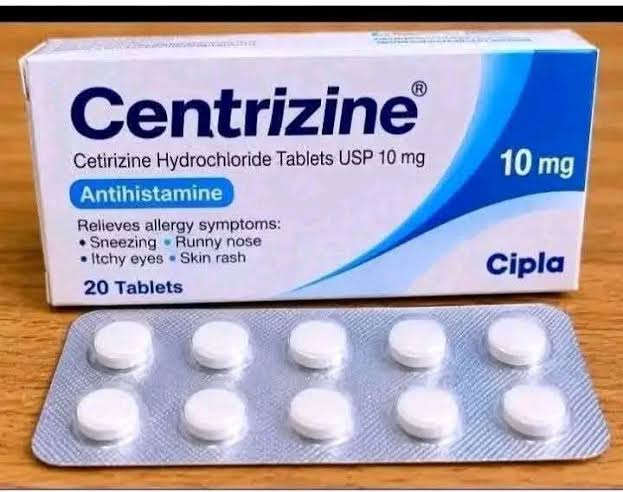
A viral social media trend promoting the misuse of an allergy medicine has raised concerns over possible shortages of the drug in Kenyan pharmacies, putting patients who depend on it for genuine medical conditions at risk.
The Pharmacy and Poisons Board (PPB) has warned women against inserting Cetirizine tablets into their private parts following online claims that the medicine can make the vagina tighter by reducing natural moisture.
In a public safety alert issued on November 4, 2026, the regulator clarified that Cetirizine is an antihistamine meant to be swallowed to treat allergic conditions such as sneezing, runny nose, itchy eyes and skin reactions.
The Board said the medicine has not been approved for vaginal use and there is no scientific evidence that it can tighten the vagina.
The warning comes as the Pharmaceutical Society of Kenya (PSK) reports increased demand, rising prices and shortages of Cetirizine in some pharmacies following the spread of the trend.
This has raised concerns that people who genuinely need the medicine to manage allergies could struggle to find it because of its misuse for purposes it was not designed for.
Pharmacy and medical experts have also dismissed the belief that reducing vaginal moisture makes the vagina tighter. They explain that dryness does not strengthen vaginal muscles or change the structure of the reproductive system.
Instead, inserting the tablets could cause burning, irritation, soreness and pain. It may also interfere with the vagina’s natural protective environment, increasing the risk of infections.
The PSK has further warned that the ingredients in oral Cetirizine tablets have not been tested for use on delicate vaginal tissues.
The Pharmacy and Poisons Board has also cautioned against taking more than the recommended dose, as excessive use can cause serious side effects, including dizziness, confusion, excessive sleepiness and a rapid heartbeat.
Women who have already tried the practice have been advised to stop and seek medical attention if they experience burning, pain, bleeding, itching, unusual discharge or fever.
The incident has also raised questions about the growing influence of social media on health decisions, with experts urging the public to seek advice from qualified medical professionals rather than relying on unverified online claims.
The authorities have called on the public to use medicines only for their approved purposes and to avoid turning viral online advice into medical treatment.