High Court Blocks Government from Operating Ebola Facility at Laikipia Airbase
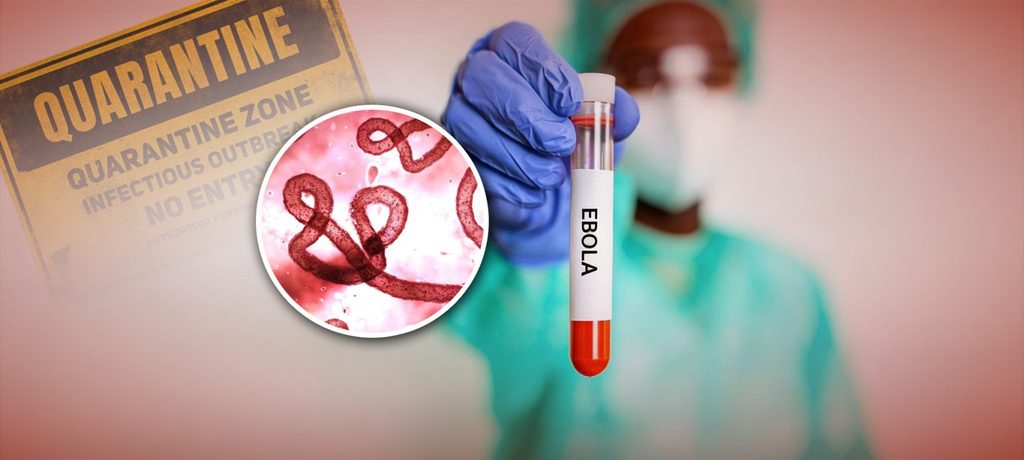
The High Court has stopped the government from undertaking further work or putting an Ebola quarantine and treatment facility at Laikipia Airbase into operation until it discloses key documents relating to the project.
In a judgment delivered on Thursday, November 26, 2026, Justice Patricia Nyaundi ordered the Ministry of Health to make the documents publicly available within 45 days.
The ruling followed petitions filed by Katiba Institute and the Law Society of Kenya (LSK), which challenged the establishment of the facility over concerns about transparency, public participation and the safety of residents living near the airbase.
The court found that the government had violated Article 10 of the Constitution, which requires public participation, transparency and accountability in government decisions.
It also ruled that the government had breached Article 35(3) by failing to provide information relating to the project despite requests from the petitioners.
Among the documents the Ministry of Health has been ordered to disclose are agreements and memoranda of understanding between Kenya and other parties involved in the project.
The ministry must also release public health assessments, environmental impact studies, biosafety evaluations, security reports and approvals obtained from Parliament, regulatory agencies and county governments.
Additionally, the court directed the government to provide protocols explaining how individuals suspected of or exposed to Ebola would be admitted, isolated, handled and treated at the facility.
Justice Nyaundi emphasised that public health emergencies do not exempt the government from its constitutional obligations, noting that communities have a right to understand projects that could affect their health and safety.
The proposed facility, established through an arrangement involving Kenya and the United States, was intended to support the quarantine and treatment of people exposed to Ebola, including American citizens.
Its establishment had attracted public concern and protests from residents and activists who questioned why the project was being undertaken without adequate consultation and disclosure of relevant information.
The court clarified that the petitions were not challenging Kenya’s cooperation with the United States or the government’s responsibility to prepare for public health emergencies. Instead, the case focused on whether the process used to establish the facility followed constitutional requirements.
The ruling means that the Ministry of Health cannot proceed with further works or operationalise the facility until the required documents have been disclosed and the court confirms compliance with its orders.
The decision places renewed focus on public participation and government accountability in projects involving public health and international partnerships.