National school census exposes teacher shortages, infrastructure gaps
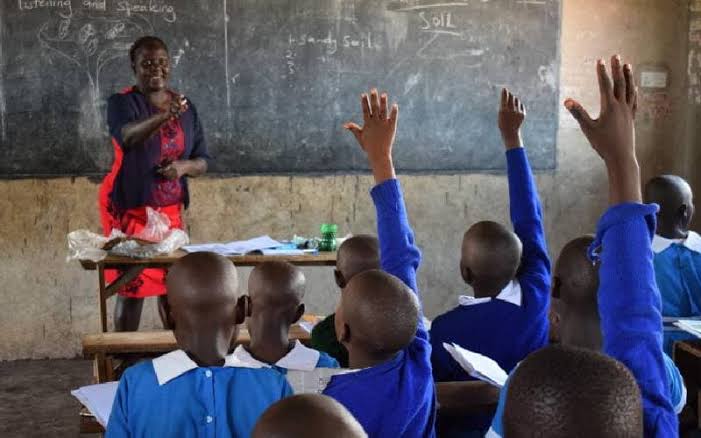
A new national school census has revealed significant gaps in Kenya’s education system, including teacher shortages, overcrowded classrooms, poor internet connectivity and inadequate facilities for learners with special needs.
The findings are contained in the 2024 Kenya School Census Report, launched by the Kenya National Bureau of Statistics (KNBS) on Thursday, November 26, 2026.
According to the report, Kenya has 121,873 basic learning institutions serving approximately 17.8 million learners across the country.
Public schools account for 14 million learners, representing 78.9 per cent of total enrolment, while private institutions account for 3.7 million learners.
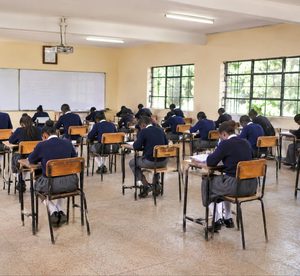
One of the major concerns highlighted is the shortage of teachers, particularly in public junior schools, where there are 74 learners for every Teachers Service Commission (TSC)-employed teacher against the recommended ratio of 40 learners per teacher.
Mandera County recorded the highest learner-to-teacher ratio at 140 learners per teacher, followed by Marsabit at 134, Kirinyaga at 133 and Wajir at 130.
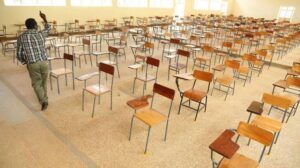
The report also raised concerns about classroom infrastructure, revealing that the country has 492,652 classrooms, with 12.7 per cent consisting of temporary structures.
Public schools recorded a higher proportion of permanent classrooms at 91.7 per cent, compared to 76.5 per cent in private schools.
Turkana County recorded the highest classroom congestion, with 76 learners per classroom in pre-primary schools and 64 in secondary schools.
The census further exposed gaps in digital learning, with only 6.4 per cent of schools having computer laboratories, while 19.6 per cent have internet connectivity. Only 29.8 per cent use computers for teaching.
In terms of inclusive education, just 7.1 per cent of schools reported enrolling learners with special needs, while approximately 2 per cent of classrooms had been adapted to accommodate them.
The findings come as the government continues implementing the Competency-Based Education (CBE) system, which requires adequate learning facilities, teaching resources and trained personnel.
Education officials said the government plans to recruit an additional 20,000 teachers to address staffing shortages and improve the learner-to-teacher ratio across the country.
The census is expected to guide government planning and resource allocation by identifying areas requiring additional teachers, classrooms, digital facilities and support for learners with disabilities.
The findings have renewed attention on the need to address inequalities in access to quality education, particularly in counties facing the greatest shortages of teachers and learning infrastructure.