One year since Baba: revisiting Raila Odinga’s life through the years
By Grace Kyalo
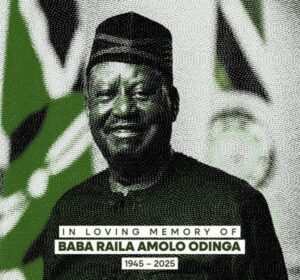
From his childhood in Maseno to decades of political struggles, presidential campaigns and his final journey in 2025, Raila Amolo Odinga’s life tells the story of a man who helped shape Kenya’s political history.
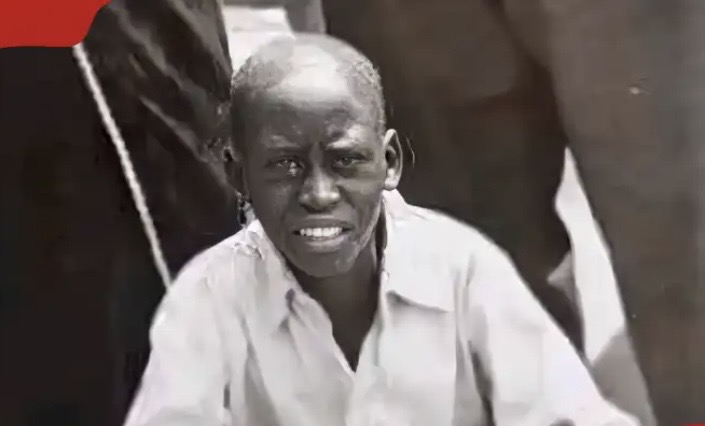
Today, October 15, 2026, marks one year since the death of former Prime Minister Raila Amolo Odinga, a political figure whose influence extended across generations and whose name became deeply woven into Kenya’s democratic journey.
Known to millions of his supporters as Baba, Raila spent decades at the centre of national politics, challenging governments, building political alliances, contesting presidential elections and advocating for constitutional and democratic reforms.
His journey was marked by imprisonment, political exile, electoral disputes, government service and repeated attempts to become Kenya’s president. Even after his death, his political legacy continues to shape conversations about leadership, democracy and the future of the country.
As Kenya marks the first anniversary of his death, a look back at his life through photographs offers an opportunity to revisit the personal and political moments that defined his journey, from his childhood to his final days in 2025.
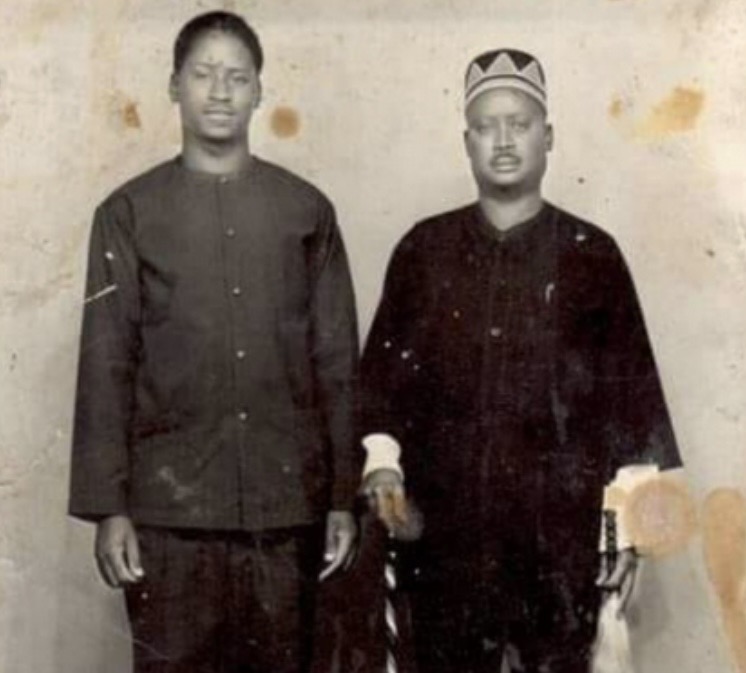
Raila Amolo Odinga was born on January 7, 1945, in Maseno, in present-day Kisumu County. He was the son of Jaramogi Oginga Odinga, Kenya’s first Vice-President after independence, and Mary Juma Odinga.
His childhood was shaped by a family environment in which politics, leadership and public affairs were important subjects.
His father was a prominent figure in Kenya’s independence struggle and later became a leading voice in opposition politics. This placed the young Raila close to the political developments that shaped the country during its transition from colonial rule to independence and beyond.
However, Raila’s eventual political career would develop in a different era, as Kenya grappled with questions of democratic participation, the concentration of power and the relationship between citizens and the state.
The family name gave him an early connection to national politics, but his own journey would be defined by decades of political activity, personal sacrifice and an ability to remain relevant through changing political circumstances.
FAMILY LIFE BEHIND THE PUBLIC FIGURE
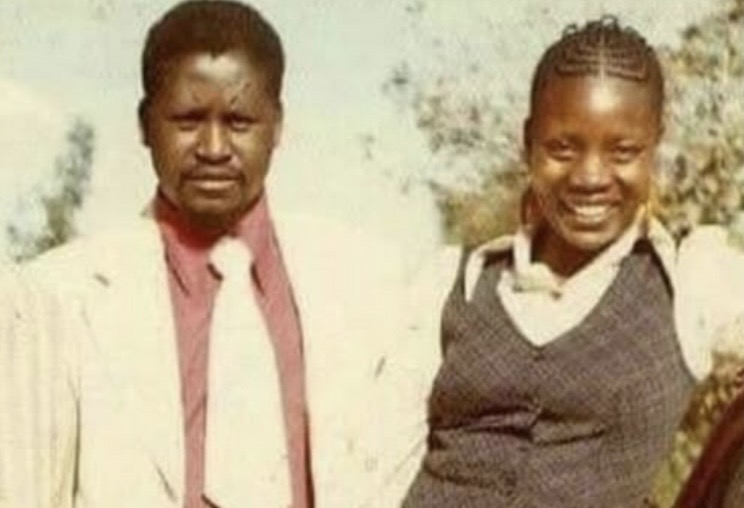
Raila married Ida Odinga in 1973, and together they raised four children: Fidel, Rosemary, Raila Junior and Winnie.
Although much of his life was spent in public, his family remained an important part of his personal story.
RAILA ODINGA WITH IDA AND THEIR CHILDREN]
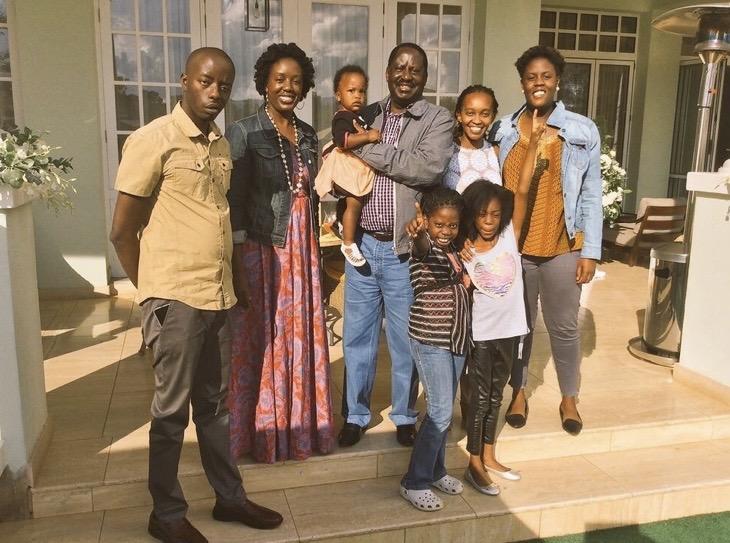
His political commitments often came with long periods of uncertainty, separation and public scrutiny. The family also experienced personal loss, including the death of their son Fidel in 2015.
Photographs of Raila away from political rallies and official functions provide a different view of the man many Kenyans knew primarily through his public speeches and political campaigns.
They capture a husband and father whose private life continued alongside a career that frequently placed him at the centre of national events.
DETENTION AND THE STRUGGLE FOR MULTIPARTY DEMOCRACY
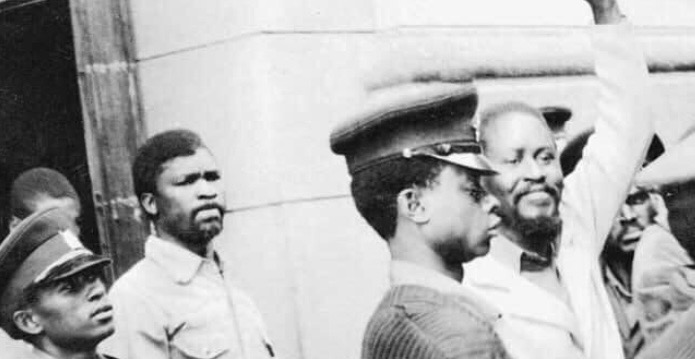
The 1980s became one of the most difficult periods in Raila’s life.
Kenya was under the leadership of President Daniel arap Moi, and political opposition faced significant restrictions. Demands for multiparty democracy increasingly brought activists into conflict with the government.
Following the failed coup attempt of August 1982, Raila was arrested and detained without trial. He spent several years in detention and was detained again in subsequent years as political tensions continued.
RAILA ODINGA DURING HIS EARLY PARLIAMENTARY YEARS
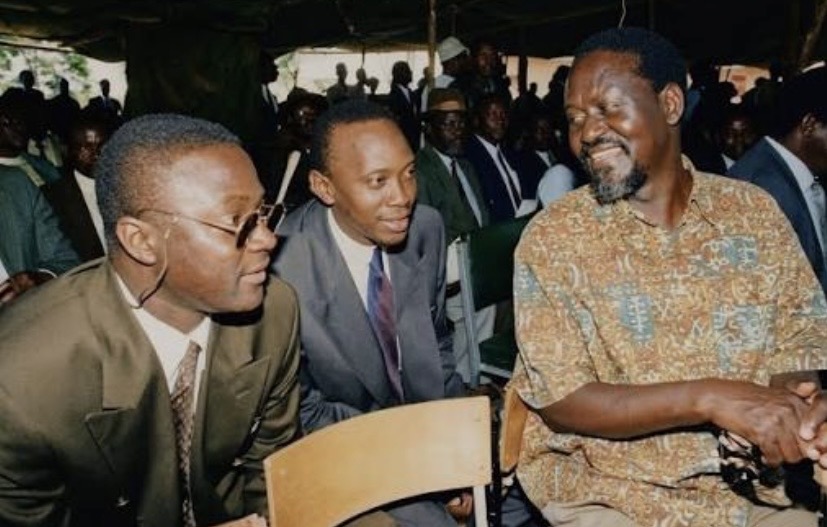
His entry into Parliament provided a platform to participate directly in national debates and organise political support beyond his family’s established influence.
Following the death of his father in 1994, internal leadership disagreements emerged within FORD-Kenya. Raila later moved to the National Development Party, which he used as a platform for his political ambitions.
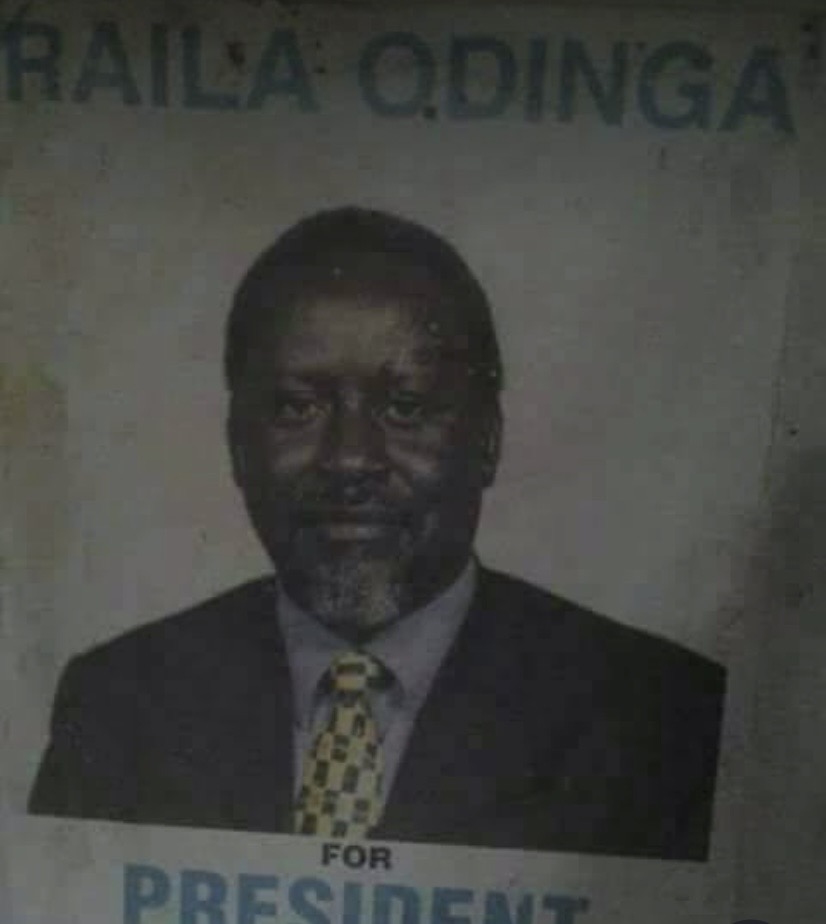
In the 1997 General Election, he made his first attempt at the presidency, finishing third while retaining his parliamentary seat.
Although he did not win, the campaign established him as a national presidential contender and marked the beginning of a series of attempts to lead the country.
FROM OPPOSITION POLITICS TO GOVERNMENT
Raila’s political career was characterised by shifting alliances and negotiations with leaders who had previously been his opponents.
In 2001, he joined the ruling KANU party and was appointed Minister for Energy. He later became part of the political movement that brought together opposition figures ahead of the 2002 General Election.
He played an important role in the formation of the National Rainbow Coalition, which defeated KANU and brought President Mwai Kibaki to power.
THE PRIME MINISTER YEARS AND THE 2010 CONSTITUTION
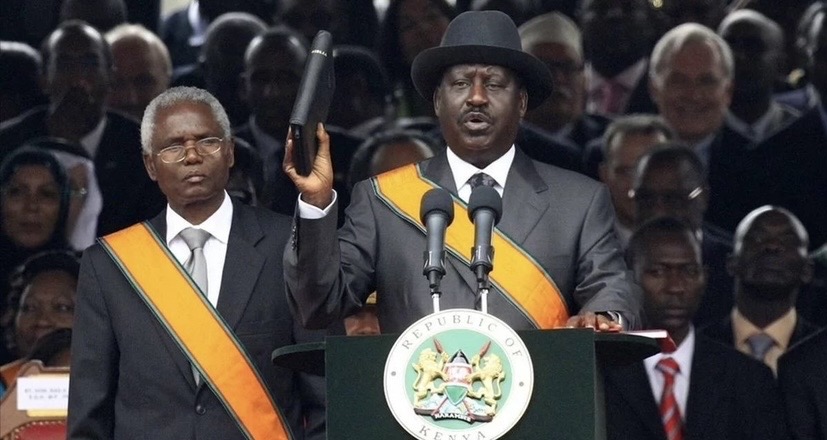
Raila served as Prime Minister from 2008 to 2013, working alongside President Kibaki in a government formed under extraordinary circumstances.
The coalition administration faced the challenge of restoring stability, rebuilding public confidence and implementing reforms following the violence.
One of the major milestones of this period was the promulgation of Kenya’s Constitution in August 2010.
FIVE PRESIDENTIAL CAMPAIGNS, ONE UNFULFILLED AMBITION
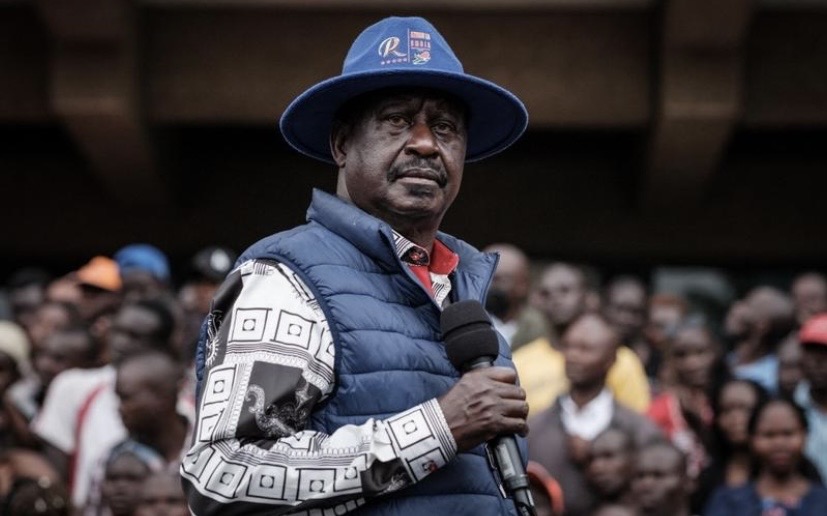
The presidency remained the central political ambition of Raila’s career.
After his first attempt in 1997, he contested again in 2007, 2013, 2017 and 2022.
In 2013, he challenged Uhuru Kenyatta, but the Supreme Court upheld Kenyatta’s victory after Raila challenged the results.
In 2017, Raila contested again. The Supreme Court annulled the initial presidential election, citing irregularities and illegalities in the electoral process. Raila subsequently boycotted the fresh election, arguing that the process would not be free and fair.
RAILA ODINGA AND MARTHA KARUA DURING THE 2022 PRESIDENTIAL CAMPAIGN
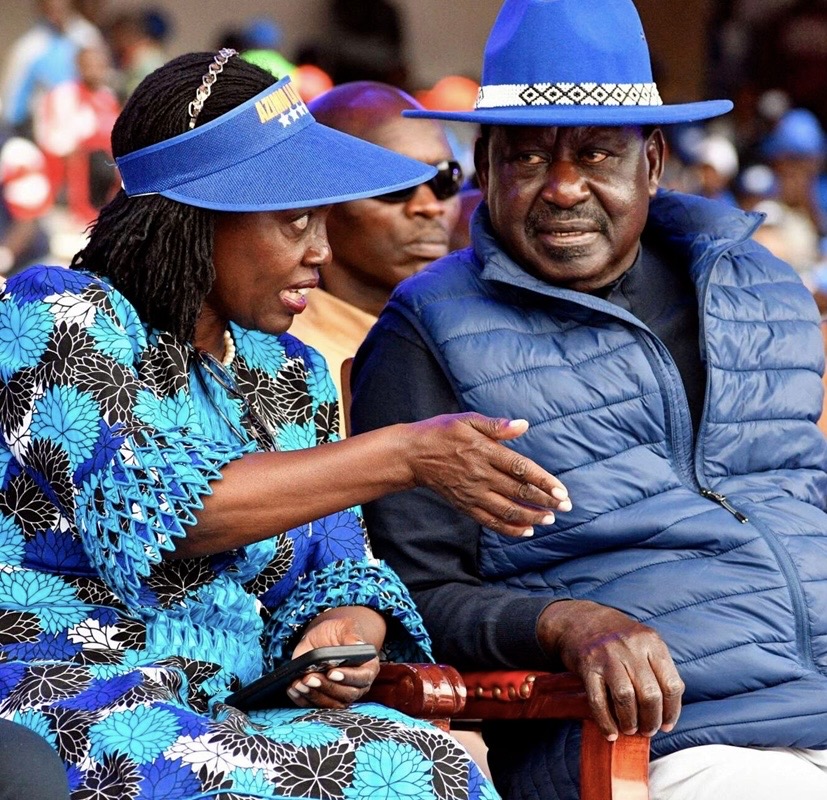
To his supporters, the campaigns represented determination and a continued pursuit of democratic reforms. To his critics, the repeated contests and political alliances raised questions about his strategies and the direction of the opposition.
Despite never becoming president, Raila remained one of the most influential political figures in Kenya, with an ability to mobilise large crowds and shape national debate.
RAILA ODINGA DURING AN OFFICIAL AFRICAN UNION ENGAGEMENT
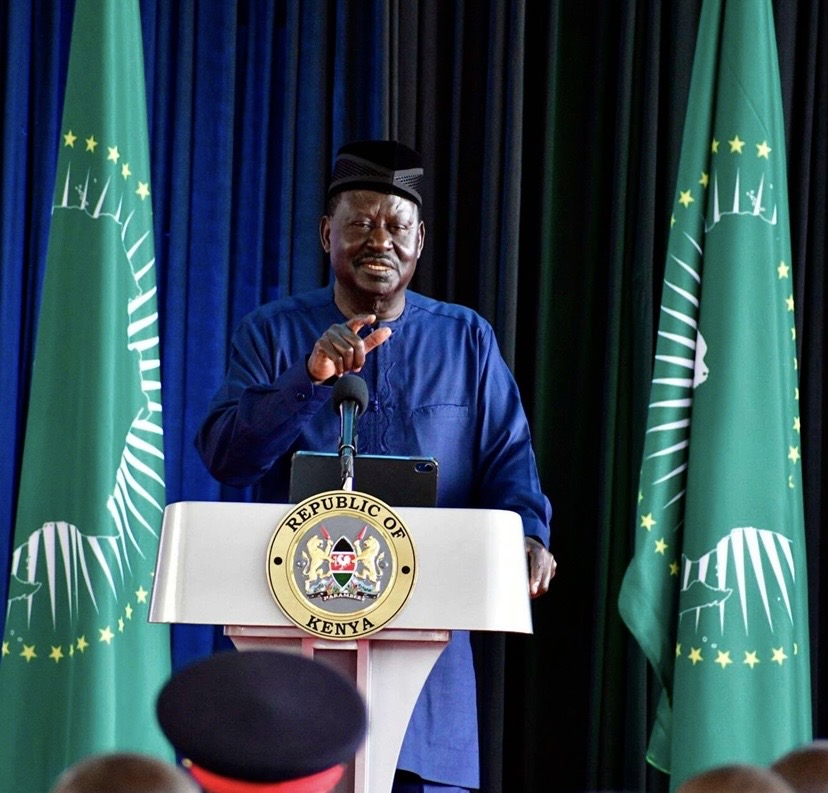
His later years also saw him remain an influential voice in Kenya’s political discussions, even after losing the 2022 presidential election.
For many supporters, he remained an important symbol of opposition politics. For others, his shifting alliances reflected the complex realities of political negotiation in Kenya.
THE MAN KENYANS CALLED BABA
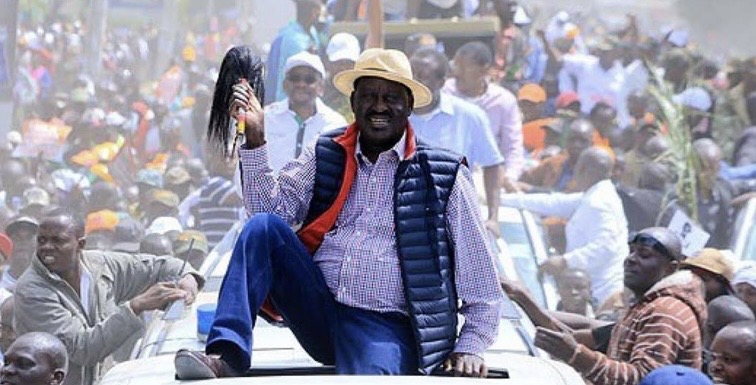
The name “Baba” became one of the most recognisable ways Kenyans referred to Raila Odinga.
For many of his followers, the name represented more than a political title. It reflected loyalty, admiration and a sense of personal connection developed through years of campaigns, public appearances and political struggles.
Raila was known for his oratory, political mobilisation and ability to draw large crowds. His speeches frequently touched on governance, economic inequality, constitutional reform and the distribution of national resources.
His supporters often described him as a determined reformer who had endured imprisonment and political setbacks while pursuing democratic change.
His critics, meanwhile, challenged aspects of his political record, questioned his alliances and disagreed with some of his strategies.
These competing views formed part of his legacy. Raila was a political figure who inspired deep loyalty while also provoking intense debate.
His influence could be seen not only in election results and parliamentary politics but also in popular culture, political slogans, public demonstrations and the language Kenyans used to discuss national leadership.
THE FINAL JOURNEY AND BURIAL AT KANG’O KA JARAMOGI
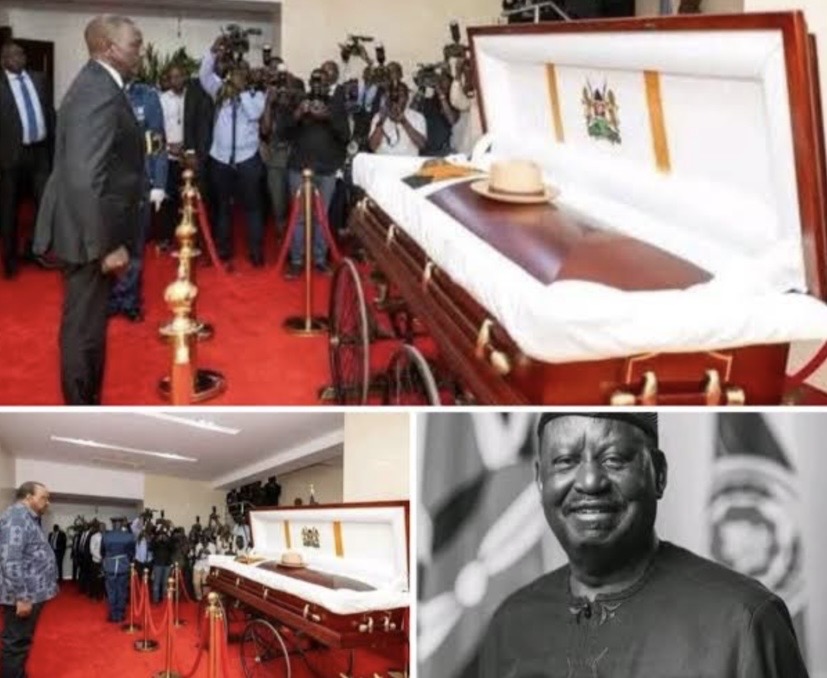
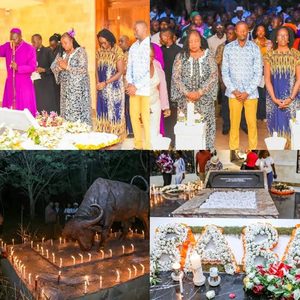
The days following his death were marked by national ceremonies, public mourning and tributes to his life and career.
Kenyans from different backgrounds gathered to honour a man whose political journey had touched nearly every major chapter of the country’s modern democratic history.
RAILA ODINGA’S MAUSOLEUM IN BONDO
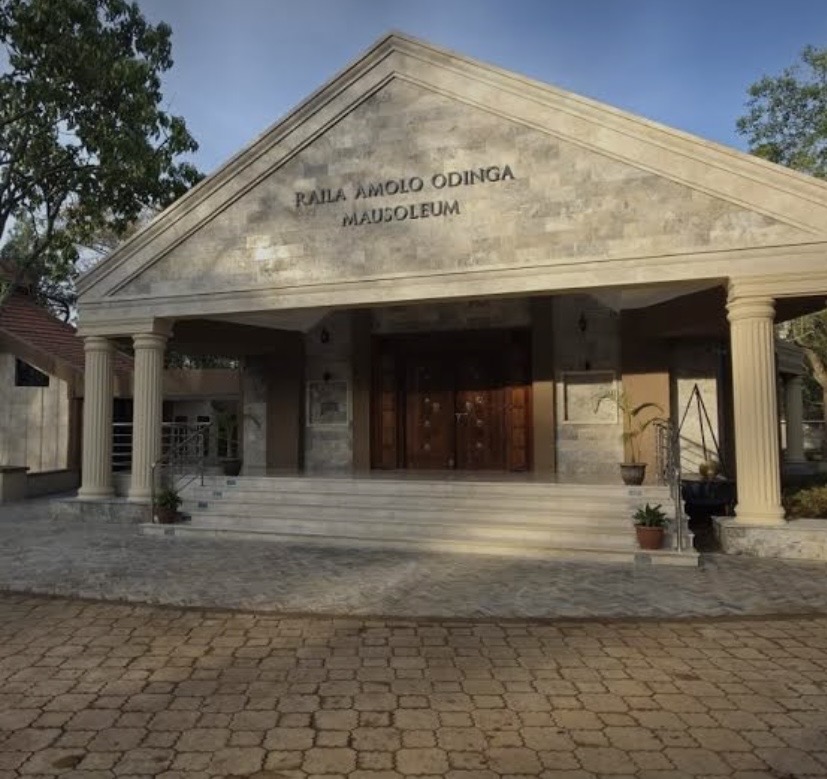
His final resting place became an important site of remembrance for family members, supporters and Kenyans seeking to reflect on his life.
The burial also marked the transition of Raila Odinga from an active political participant to a figure whose record would increasingly be assessed through history.
THE LEGACY OF RAILA AMOLO ODINGA
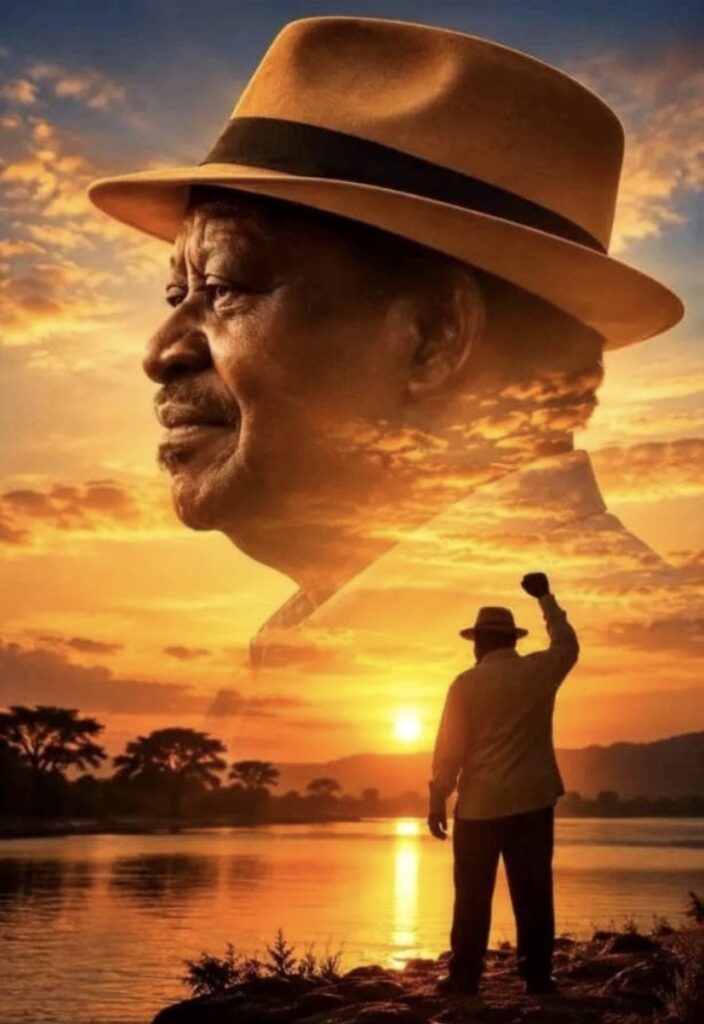
Raila Odinga’s legacy cannot be reduced to his unsuccessful presidential campaigns or his time in government alone.
His life intersected with the restoration of multiparty politics, the struggle for constitutional reform, the disputed elections that tested Kenya’s institutions and the coalition arrangements that reshaped national leadership.
He was a political organiser whose influence extended across generations. His supporters saw him as a symbol of perseverance and democratic resistance, while his critics challenged his political decisions and questioned the impact of some of his strategies.
His career also illustrates the complexities of Kenyan politics, where ideology, ethnicity, personalities, electoral competition and political alliances have frequently intersected.
For many Kenyans, his contribution to the country’s democratic development remains inseparable from the sacrifices and controversies that accompanied his rise.
For others, his legacy invites further examination of the promises, compromises and unresolved questions that shaped his political journey.
Ultimately, Raila Odinga’s place in history will be judged not only by the offices he held or the elections he contested, but also by the institutions he helped shape, the political debates he influenced and the generations that continue to engage with the ideas he championed.
From the young boy born in Maseno in 1945 to the veteran politician whose death in 2025 drew national and international attention, his story was one of persistence, political struggle, ambition and enduring influence.
Raila Amolo Odinga may be gone, but the debates surrounding his life, his contribution to democracy and his place in Kenya’s history will continue long after his final journey to Bondo.