RISING GLOBAL OIL PRICES RAISE CONCERNS OVER KENYA’S COST OF LIVING
BY:GRACE KYALO
Kenyan households and businesses are facing renewed concerns over the cost of living as international crude oil prices remain elevated, raising the possibility of higher transport, production and distribution expenses.
A report published by The Star on October 2 indicated that Brent crude, the international oil benchmark, had traded above 100 US dollars per barrel for about a month, with prices moving towards 108 dollars during the week.
The report linked the increase to continuing disruptions associated with conflict in the Middle East and uncertainty surrounding international fuel supplies.
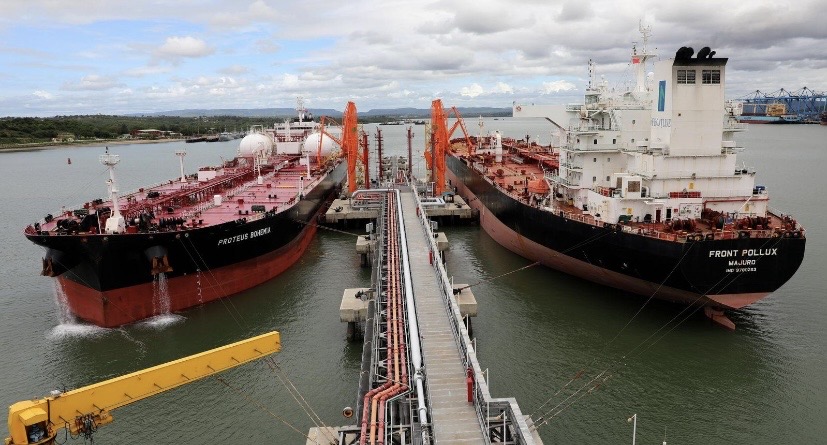
Kenya relies on imported petroleum to meet much of its fuel demand. Changes in international prices can therefore influence the cost of importing fuel and the expenses incurred by businesses that depend on transport and energy.
One of the main concerns is the possible effect on the cost of moving goods. Food products, construction materials, manufactured goods and agricultural inputs all require transport at different stages of production and distribution. When fuel costs rise, businesses may face pressure to increase prices or absorb additional expenses.
Transport operators are also affected because petrol and diesel are major operating costs for vehicles. Matatu operators, long-distance bus companies and freight businesses may experience increased expenses if domestic fuel prices rise.
The pressure can extend to consumers through fares and the prices of everyday commodities. Households already managing rent, food, education and other essential expenses may find it difficult to accommodate further increases.
The report also cited Kenya’s annual inflation rate, which rose to 6.8 per cent in September from 6.6 per cent in August, according to the Kenya National Bureau of Statistics. Food inflation was reported at 9.5 per cent, while transport costs rose by 15.6 per cent year-on-year.
The Energy and Petroleum Regulatory Authority’s next scheduled pump-price review was identified as an important date for consumers and businesses monitoring the situation.
However, international oil prices do not translate directly into identical changes at Kenyan petrol stations. Domestic prices also depend on exchange rates, import costs, taxes, distribution expenses and the country’s fuel-pricing formula.
Manufacturers and transport businesses are therefore watching developments in global markets while assessing how changes could affect operating costs.
The continuing uncertainty highlights the connection between international energy markets and the daily expenses faced by Kenyan households.