Beyond the Pillar: Young Kenyan Turns Raila Odinga Tribute Into a Test of Peace and Endurance
As Kenyans prepare to mark one year since the death of former Prime Minister Raila Odinga, a 22-year-old woman from Kisumu has chosen an unusual way to keep his memory alive.
Lavender Wesonga plans to hug a wooden pillar for 72 consecutive hours in a challenge she says is meant to honour the late politician and promote peace, unity and hope among Kenyans.
The challenge is scheduled to begin at midday on Friday, October 9, at Jaramogi Oginga Odinga Sports Ground in Kisumu, according to reports.
But beyond the unusual nature of the challenge lies a bigger question: what does it mean for young Kenyans to carry forward the legacy of a political leader they admired?
Wesonga’s planned tribute comes as the country prepares for the first anniversary of Raila’s death on October 15, 2026. Memorial activities have been organised to remember his contribution to Kenya’s political history and democratic struggle.
According to CountySplash News, Wesonga says the pillar represents strength and togetherness. She hopes her challenge will encourage Kenyans to remain united despite their political, ethnic and social differences.
For her, the exercise is not simply about holding onto a wooden structure. It is a personal expression of admiration for a leader whose political journey inspired many supporters across the country.
A personal sacrifice with a public message
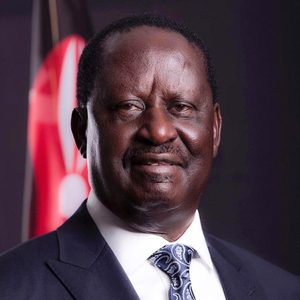
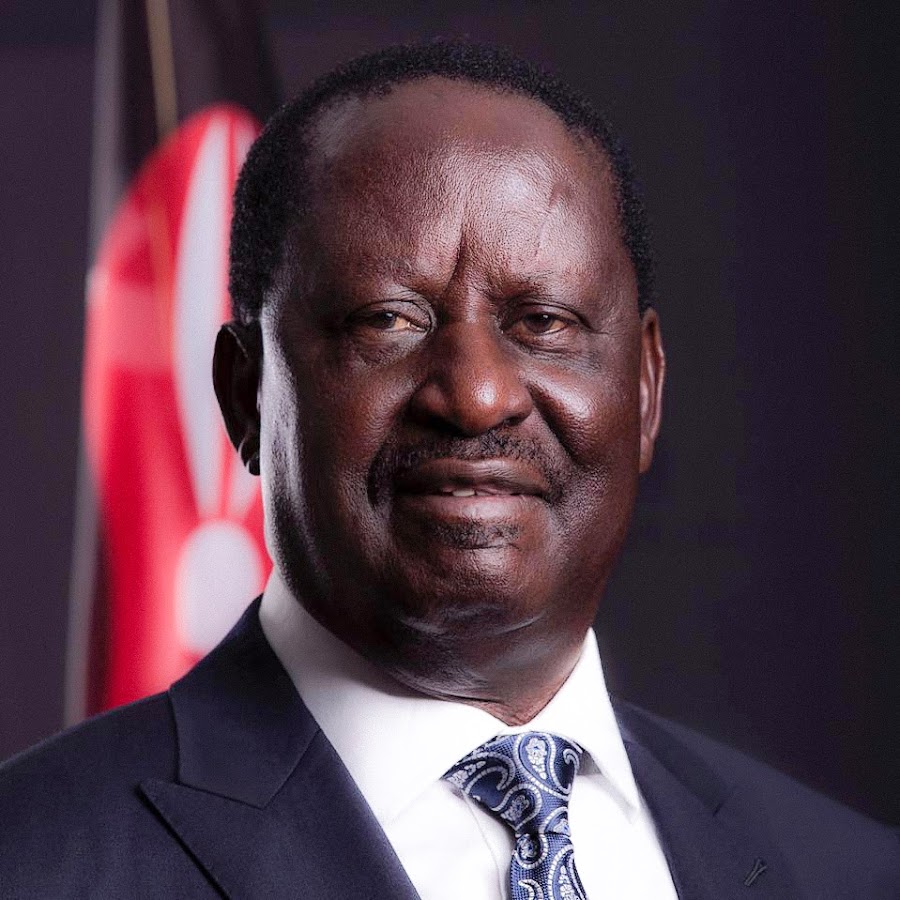
Raila, who died in India on October 15, 2025, was a central figure in Kenya’s opposition politics for decades. He was associated with campaigns for political reform, multiparty democracy and constitutional change.
His influence extended beyond his supporters in the Orange Democratic Movement (ODM), making his legacy a subject of national discussion.
Wesonga’s decision reflects the personal ways in which some supporters choose to remember public figures who have influenced their lives.
While many people attend memorial services, light candles or share messages online, her planned challenge uses physical endurance to draw attention to the values she associates with Raila.
However, the success of the tribute may not necessarily depend on whether she completes all 72 hours. Its message will also depend on how the public responds to her call for peace and unity.
Wesonga’s planned challenge comes amid a wider programme of activities marking the first anniversary of Raila’s death.
The memorial programme includes candle-lighting ceremonies and other events intended to reflect on his life and contribution to Kenya.
The challenge offers a different way to approach remembrance by placing a young person’s personal commitment at the centre of the story.
For young people, preserving a leader’s legacy can go beyond celebrating their past achievements. It can also mean reflecting on the values they represented and how those values can be practised in everyday life.
Whether Wesonga completes the full 72 hours or not, her initiative has brought attention to the different ways Kenyans express political admiration.