University students face rising costs as lecturers’ strike deepens
BY GRACE KYALO
University students in Kenya are facing growing uncertainty as the ongoing lecturers’ strike continues to disrupt learning in public universities, leaving thousands worried about their academic progress and the rising cost of living.
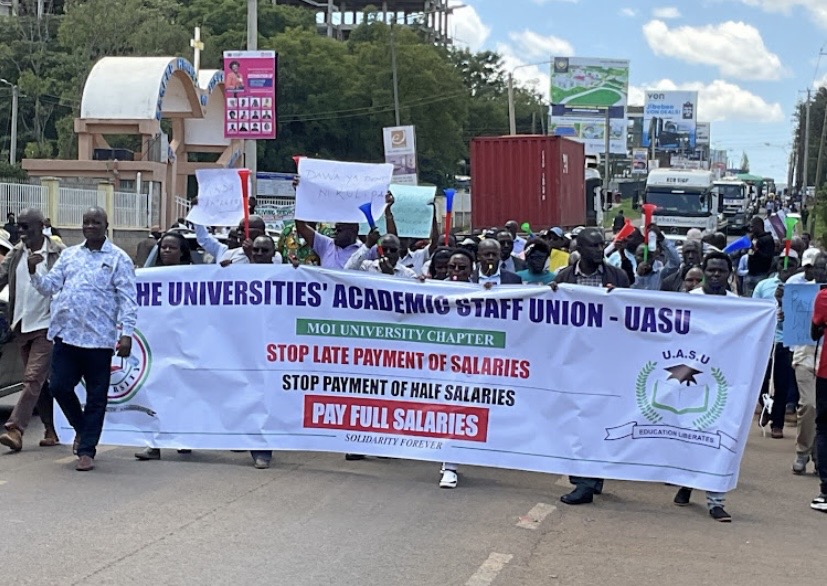
The strike, which began on October 2, 2026, has interrupted lectures, with students calling on the government and university lecturers to reach an agreement and restore normal learning.
Beyond the loss of classroom time, students say they continue to incur expenses such as rent, food and transport despite spending little or no time in lecture halls.
For students living away from home, the disruption presents an additional financial burden, particularly for those who depend on parents, guardians or limited personal savings to meet their daily needs.
The dispute involves university staff unions and the government over the implementation of the 2025–2029 Collective Bargaining Agreement (CBA), which addresses employment terms and remuneration for university staff.

Negotiations between the parties have so far failed to produce an agreement that would bring the strike to an end. On October 12, university staff unions rejected a government offer, prolonging uncertainty over when teaching would resume.
The continued standoff has raised concerns about delayed examinations, graduation ceremonies and adjustments to university academic calendars. Students approaching the completion of their studies may also face difficulties planning internships, employment opportunities and further education.
The strike has renewed calls for a lasting solution that addresses lecturers’ concerns while protecting students from repeated interruptions to their education.
Students are now looking to both sides to reach an agreement that will allow learning to resume and provide greater certainty about the remainder of the academic year.