Kenya targets 1.5 million more irrigated acres to boost food production
BY GRACE KYALO
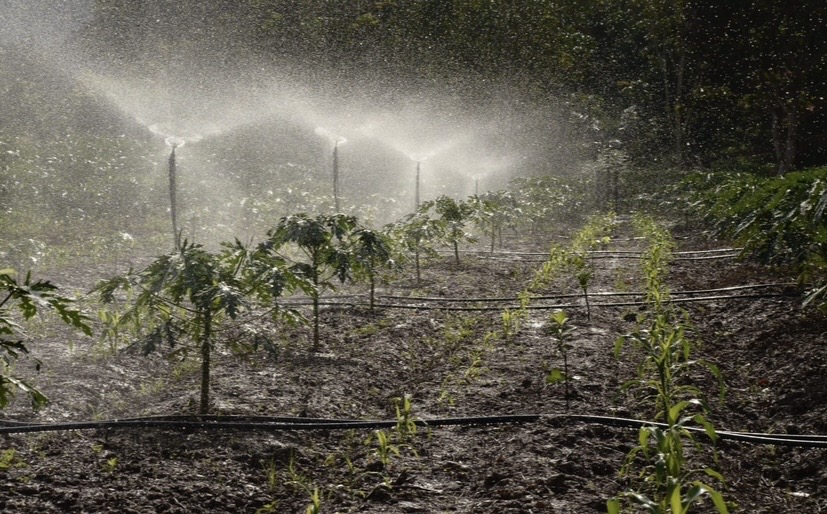
Kenya is planning to bring an additional 1.5 million acres of farmland under irrigation as the government seeks to reduce dependence on rainfall and strengthen the country’s food security.
The proposed expansion is expected to help farmers produce crops more consistently throughout the year, particularly in areas where unreliable rainfall and prolonged dry spells have affected agricultural production.
Principal Secretary for Irrigation Ephantus Kimotho said the government is prioritising irrigation infrastructure, water harvesting and affordable farming technologies to improve productivity among both small-scale and large-scale farmers.
Currently, only about 500,000 of Kenya’s 8.9 million registered farmers benefit from irrigation, leaving many agricultural producers dependent on increasingly unpredictable weather patterns.
The government says expanding irrigation could help address this challenge by giving farmers greater control over water supply and allowing them to plan their farming seasons more reliably.
Farmers seek reliable water supplies
Agriculture remains an important source of income and employment for millions of Kenyans. However, farmers who depend entirely on rainfall often face uncertainty when planting seasons are disrupted by drought or changing weather conditions.
In some areas, inadequate rainfall can lead to poor harvests, reduced household incomes and higher food prices.
Expanding irrigation could create opportunities for farmers to grow crops beyond the traditional rainy seasons, improve yields and supply markets more consistently.
The initiative is also expected to support the production of food crops and horticultural products, helping farmers diversify their income sources.
Investment needed to achieve the target
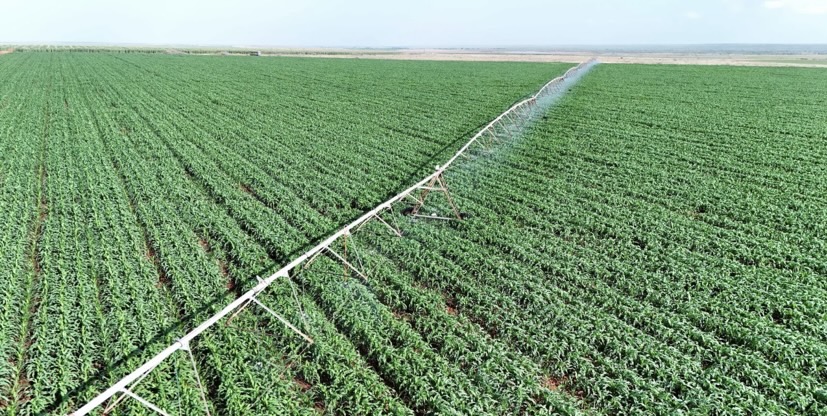
The government is also seeking private-sector investment to support the wider expansion of irrigation infrastructure.
The National Irrigation Sector Investment Plan for 2025–2035 is estimated to cost KSh 598 billion, with the government seeking private financing for 61 per cent of the investment.
The plan aims to expand irrigation, improve water management and strengthen the resilience of agricultural production.
However, achieving these targets will depend on funding, infrastructure development, access to affordable irrigation equipment and the ability of farmers to maintain the systems.
Small-scale farmers will also need practical support to ensure that the benefits of irrigation reach rural communities rather than being limited to large commercial farms.