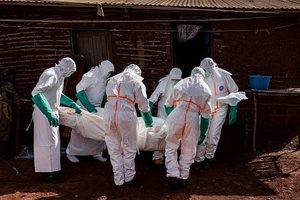
Kenya confirms four new Ebola cases as gov’t says public risk remains low
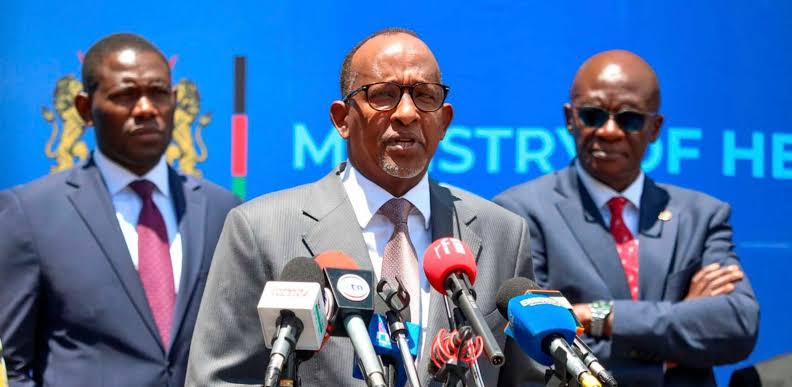
Kenya Confirms Four New Ebola Cases as Government Assures PublicBy Staff ReporterKenya has confirmed four additional cases of Ebola, bringing the total number of confirmed infections to seven, including one death, as health authorities step up efforts to contain the outbreak.The Ministry of Health announced the new cases on Saturday, October 17, 2026, saying the infections involved three healthcare workers who treated the first patient and a close male relative of the deceased.
According to Director-General for Health Dr Patrick Amoth, the three healthcare workers, comprising two men and one woman aged 29, 35 and 32, developed symptoms after attending to the first patient in hospital between October 3 and 4.The ministry said the three workers had been in quarantine since October 9, while the deceased patient’s relative had been under quarantine since October 6.
All four patients developed fever before testing positive for Bundibugyo virus disease. Their results were confirmed by both the National Virology Reference Laboratory and the Kenya Medical Research Institute (KEMRI). The patients are receiving supportive care at designated treatment facilities.
The StarDespite the new infections, the government has reassured Kenyans that the risk to the general public remains low, noting that there is currently no evidence of community transmission.Health officials reported that 128 of the 130 identified contacts had been traced and placed under quarantine.
Efforts are continuing to locate the remaining two contacts as authorities monitor people who may have been exposed to the virus.The ministry has warned that additional cases could still emerge among people already in quarantine before the end of the 21-day monitoring period.
The government has not introduced restrictions on travel, trade or public gatherings, urging Kenyans to remain calm while following official health guidance.Ebola spreads through direct contact with the blood or other body fluids of an infected person or someone who has died from the disease. It does not spread through the air like common respiratory infections.
Members of the public who develop symptoms such as fever, unusual tiredness, muscle pain, sore throat, vomiting or diarrhoea are advised to seek medical attention promptly and inform healthcare workers of any possible exposure.The Ministry of Health has urged Kenyans to remain vigilant as contact tracing, quarantine and surveillance efforts continue across the country.